Your Car, Your Living Room

Finnegan Flynn
| 08-12-2025
 · Vehicle Team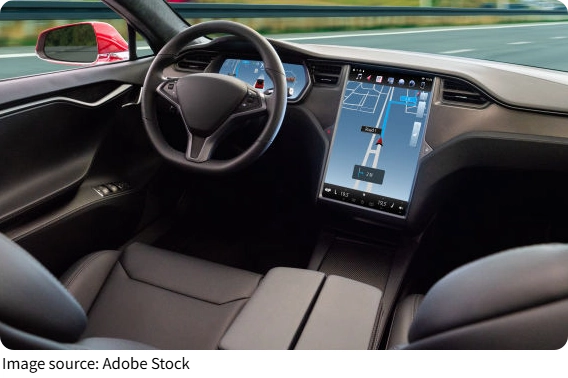
Think about your daily routine. You've got your home, your workplace, and then… your car. For most people, that last one used to be pure function: get from A to B.
If you've stepped into a new Tesla, a Hyundai Ioniq 6, or even a Toyota Prius Prime lately, you might've noticed something strange—you feel like you're sitting in a living room.
With ambient lighting, whisper-quiet cabins, reclining seats that almost lie flat, and screens that stream your favorite shows? Yeah. The car isn't just transporting you anymore. It's becoming your mobile living room.
This shift didn't happen overnight. It started with silence. Early electric vehicles cracked the code on noise reduction—no engine rumble, no exhaust hiss. That quiet became the foundation. Then came the materials. Automakers stopped using hard plastics that echoed like a gym locker.
Now, you'll find soft-touch surfaces, woven textiles, and even real wood trim in models like the Genesis GV60 or the Polestar 2. Some even use recycled ocean plastics for door panels—quietly sustainable, but still luxurious.
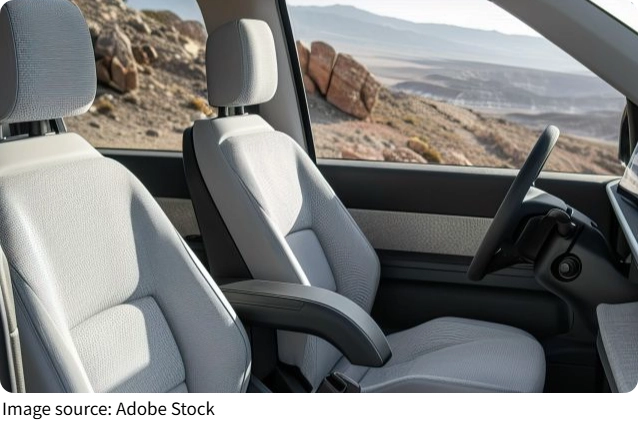
But the real game-changer? Seat design. Forget stiff bucket seats. Today's premium EVs offer zero-gravity-inspired reclines, heated and cooled massage functions, and even adjustable lumbar support that adapts to your spine shape. The Hyundai Ioniq 6's rear seats can recline nearly 45 degrees—enough to nap through a commute.
The Lucid Air goes further: its rear seats can rotate to face forward or backward, turning the cabin into a conversation circle. No, it's not for highway driving. However, for stop-and-go traffic, airport pickups, or waiting for your kid's soccer practice? It turns 20 minutes into a mini-retreat.
Then there's the tech. Screens aren't just for navigation anymore. The Mercedes EQS has a 56-inch curved OLED display that wraps around the dash like a digital art installation. You can enjoy streaming videos or calls with a built-in webcam and noise-canceling mics.
The BYD Seal U (sold as the Dolphin in some markets) lets you control the climate, lighting, and soundscapes with voice commands that feel more like chatting with a friend than giving orders to a machine. Some models even let you preset "mood modes"—think "Calm Mode" with dimmed lights, lavender-scented air, and gentle jazz playing softly through the speakers.
And it's not just about comfort—it's about time. With autonomous driving tech creeping into more vehicles (even if it's just Level 2 for now), people are reclaiming those wasted hours. Audi's e-tron GT lets you fold the front seats flat and use the center console as a mini-table for coffee or a laptop.
Tesla's "Camp Mode" keeps the climate running overnight, so you can sleep in your car during road trips without draining the battery too fast. Parents use it as a quiet nap zone during errands. Remote workers use it as a mobile office between meetings.
Even the air inside is being redesigned. High-end cars now include multi-stage air filtration systems that remove PM2.5 particles, allergens, and VOCs—some even mimic the scent of a forest after rain. It's not gimmicky. It's health-driven.
This isn't about luxury for the few anymore. The trend is trickling down. Even mid-range models like the Honda Prologue and Kia EV5 now offer ambient lighting, voice-controlled climate zones, and seat memory settings. The goal? Make every drive feel less like a chore and more like an extension of your personal space.
Why It Matters
Cars are no longer just machines. They're spaces we spend hours in—commuting, waiting, traveling. As remote work and flexible schedules blur the lines between home, office, and transit, the car is stepping into a new role: your third room. Not just a vehicle. A sanctuary. A place to reset, recharge, or just breathe.
The future of car design isn't about horsepower. It's about harmony—between you, the machine, and the quiet moments in between.